
What El Niño Could Mean for Ski Season in New Mexico
Winter may still be a few months away, but excitement is already building across New Mexico's mountains.
One question we're hearing more than any other is:
"What does El Niño mean for this ski season?"
The short answer? There are reasons to be optimistic—but Mother Nature always gets the final say.
According to the National Oceanic and Atmospheric Administration's (NOAA) Climate Prediction Center, El Niño is expected to continue strengthening through the fall and persist into the heart of the 2026–2027 winter. While seasonal climate patterns can never guarantee snowfall, El Niño has historically increased the likelihood of winter storms tracking across the southern Rockies—including New Mexico.
What is El Niño?
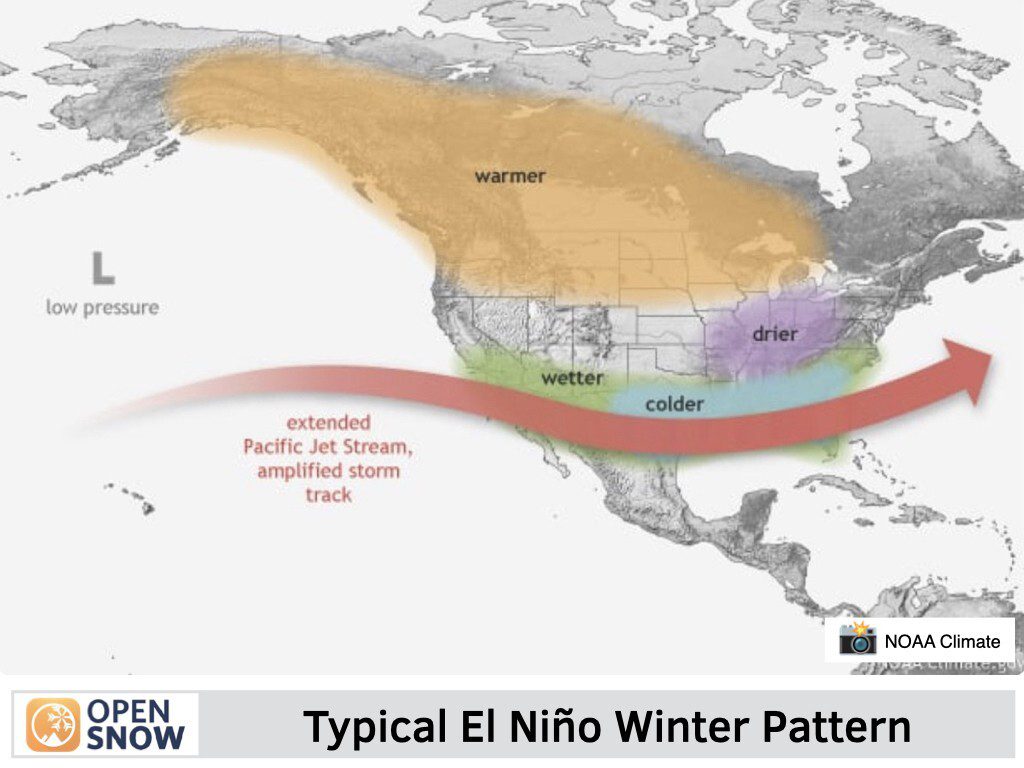
El Niño is one phase of a naturally occurring climate cycle known as the El Niño–Southern Oscillation (ENSO). It develops when sea surface temperatures across the central and eastern tropical Pacific Ocean become warmer than average for an extended period.
While a change of just a degree or two may seem small, those warmer ocean temperatures can influence atmospheric circulation across North America by shifting the position and strength of the jet stream—the fast-moving river of air that helps steer winter storms.
For New Mexico, that often means more opportunities for Pacific storms to move across the Southwest during the winter months. Every season is different, but historically El Niño has favored a more active southern storm track that can bring beneficial snowfall to many parts of New Mexico.
What NOAA is Forecasting
According to NOAA's Climate Prediction Center:
- El Niño is currently established.
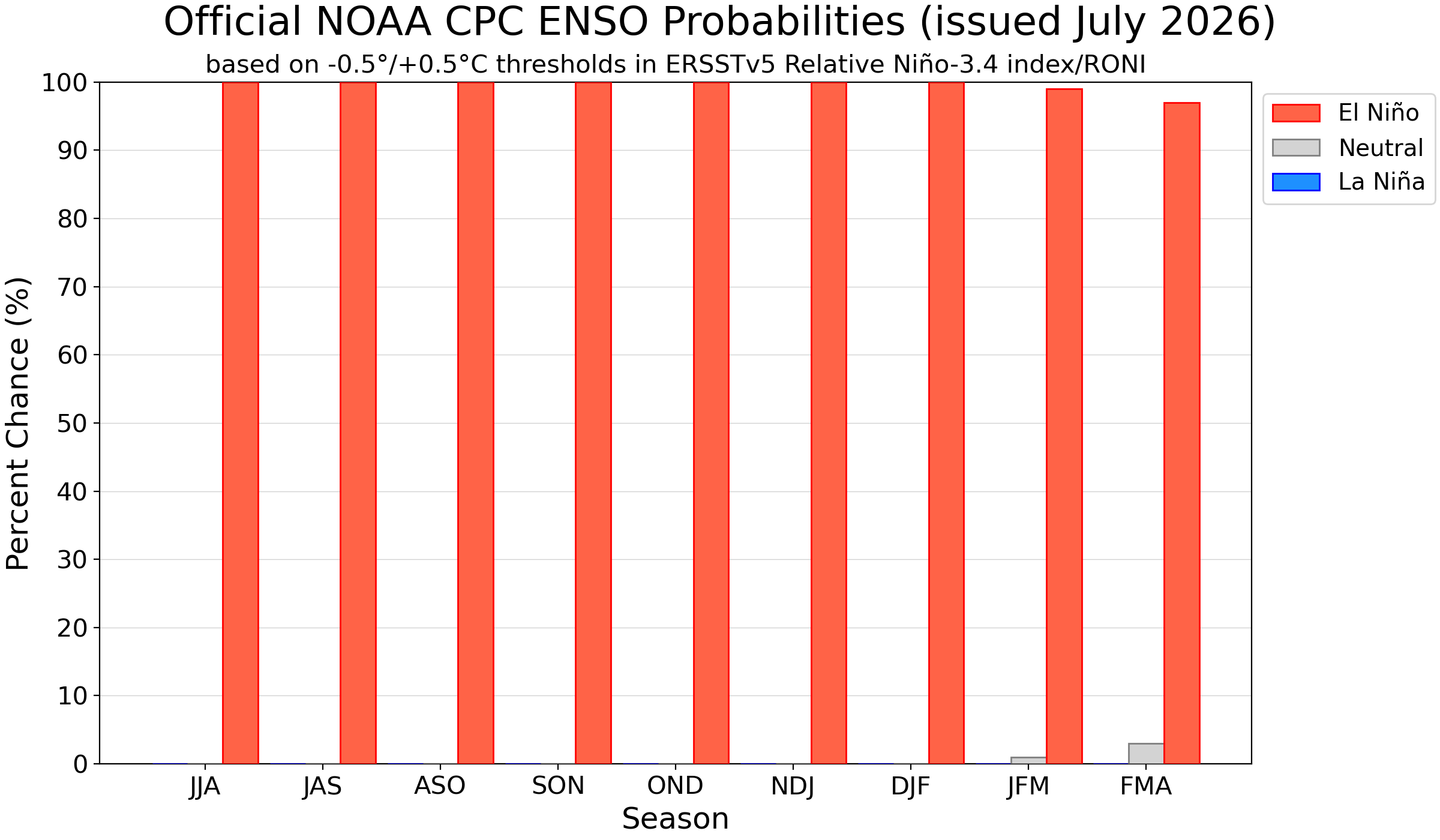
- There is a 97% chance it continues through early spring 2027.
- Forecast confidence remains high that the event will strengthen through the fall.
- A very strong El Niño is possible later this year.
It's important to remember that even a strong El Niño does not guarantee above-average snowfall. Seasonal outlooks simply describe the likelihood of certain weather patterns—not the exact number of storms or snow totals each resort will receive.
What This Could Mean for Ski New Mexico Resorts
While every mountain experiences weather a little differently, New Mexico's ski areas share several advantages that can help maximize winter conditions — from high-elevation terrain and cold temperatures to extensive snowmaking and varied locations across the state.
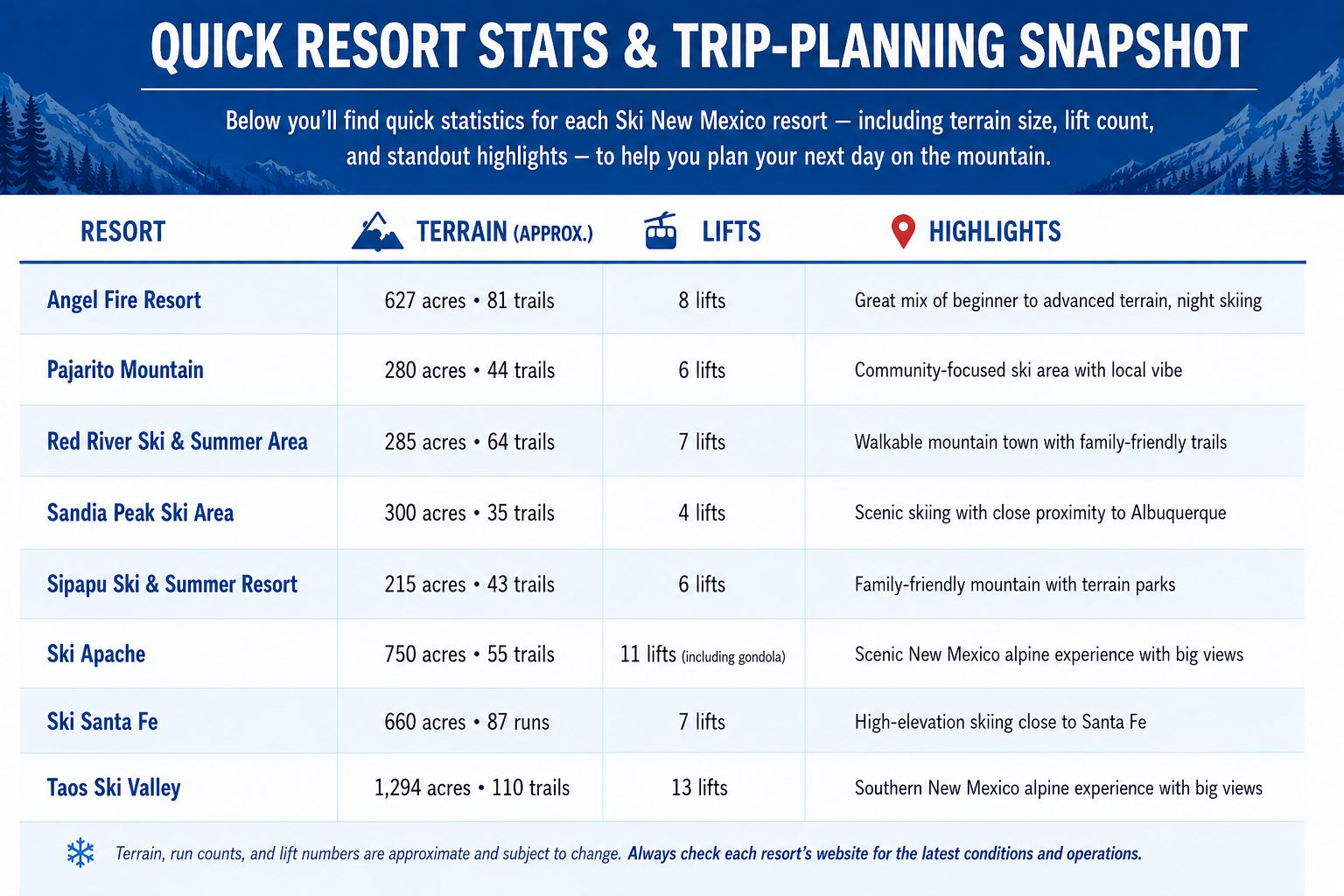
Angel Fire Resort
With high-elevation terrain and one of New Mexico's most extensive snowmaking systems, Angel Fire is well positioned to take advantage of both natural snowfall and cold temperatures throughout the season. When Pacific storms move across northern New Mexico, the resort can benefit from fresh snow while maintaining excellent grooming conditions.
Pajarito Mountain
Located on the eastern slopes of the Jemez Mountains, Pajarito often responds quickly to passing winter storms. Recent snowmaking improvements continue strengthening early-season reliability while helping preserve quality conditions throughout winter.
Red River Ski & Summer Area
Known for its authentic mountain-town atmosphere, Red River combines consistent snowmaking with natural snowfall in the Sangre de Cristo Mountains. During favorable winter patterns, northern New Mexico can benefit from Pacific moisture moving into the region.
Sandia Peak Ski Area
Just outside Albuquerque, Sandia Peak depends heavily on well-timed winter storms. Even a handful of strong systems can dramatically improve conditions, making seasonal weather patterns especially meaningful for local skiers.
Sipapu Ski & Summer Resort
Sipapu's high elevation, family-friendly terrain, and continued investments in snowmaking provide dependable winter recreation while natural snowfall enhances conditions throughout the season.
Ski Apache
Located beneath Sierra Blanca Peak in southern New Mexico, Ski Apache can be influenced by storm systems moving across the southern Southwest. Combined with snowmaking and diverse terrain, it offers a uniquely Southwestern ski experience.
Ski Santa Fe
With one of North America's highest base elevations, Ski Santa Fe has a natural advantage when it comes to maintaining cold, quality snow conditions. Cold overnight temperatures and modern snowmaking complement natural snowfall throughout the season.
Taos Ski Valley
Known worldwide for legendary terrain and one of New Mexico's highest summit elevations, Taos Ski Valley is exceptionally well positioned when Pacific storms move across northern New Mexico. The resort's summit reaches 12,481 feet, giving it one of the highest ski elevations in the state.
Why Skiers Pay Attention to El Niño
Long-range seasonal forecasts always generate excitement among skiers and snowboarders because they provide an early glimpse into the type of winter weather pattern that may develop.
During many El Niño winters, the jet stream shifts farther south, allowing more Pacific moisture to reach portions of the Southwest. That doesn't guarantee bigger storms or deeper snow at every resort, but it can increase the likelihood of active winter weather patterns across New Mexico.
Seasonal outlooks are designed to show probabilities rather than predictions. Individual storms, temperatures, and snowfall totals can't be forecast months in advance—but understanding larger climate patterns helps paint the picture of what the season could look like.
The eye-catching number: NOAA currently puts the odds of El Niño at 100% for the upcoming winter season, with an 81% chance that the event reaches the “very strong” category between October and December 2026. That would place this El Niño among the strongest events in the historical record.
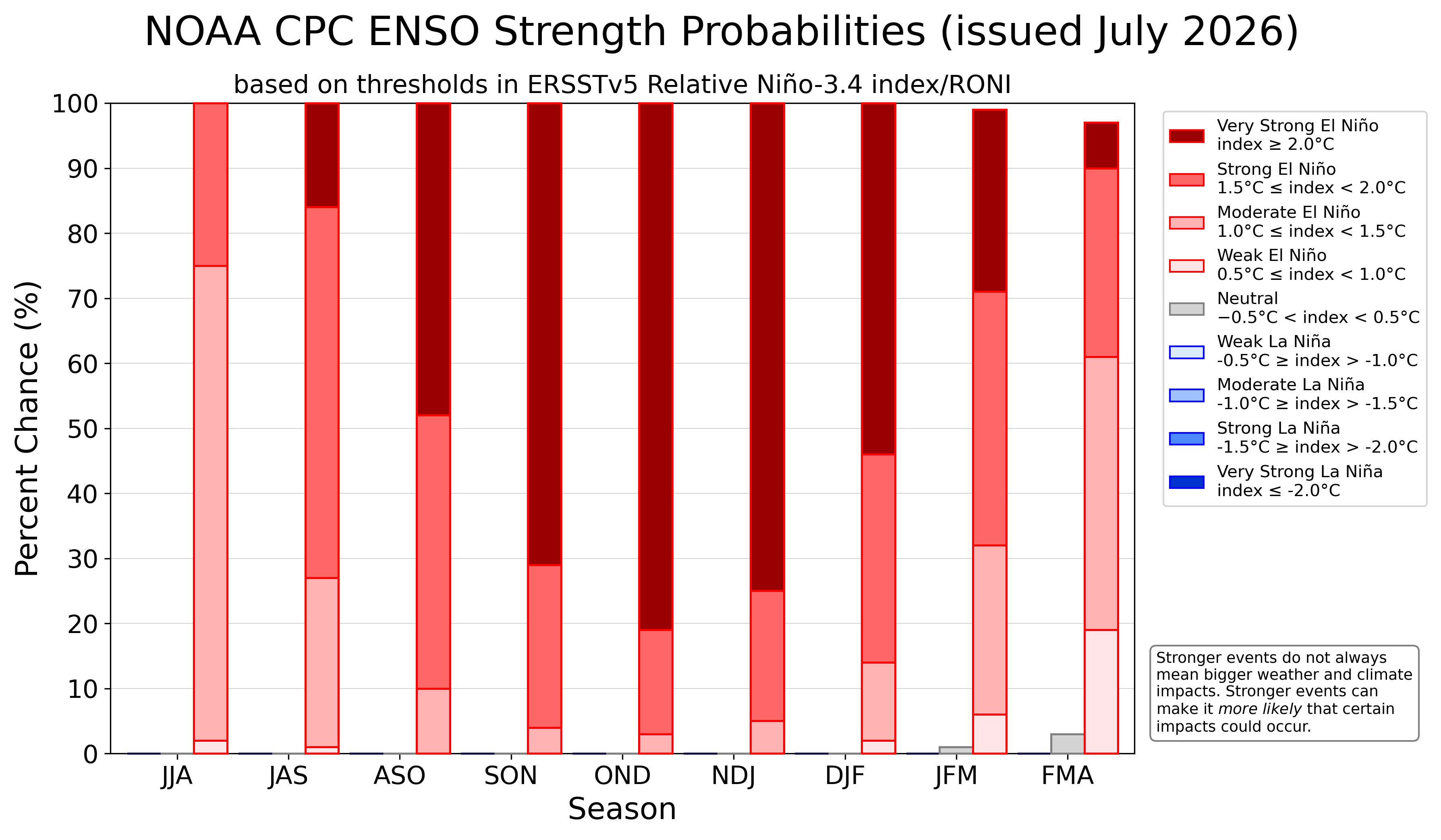
And this isn't a pattern that's expected to disappear before ski season gets going. NOAA currently gives El Niño a 97% chance of continuing through early spring 2027, meaning the climate pattern is expected to remain in place through much of the 2026–27 ski season.
Why New Mexico Skiing Is Different
Seasonal forecasts are only one part of the story.
New Mexico's ski areas offer advantages that make them exceptional winter destinations every year.
Many resorts climb above 10,000 feet, helping preserve snow throughout the season. Modern snowmaking systems provide dependable early-season coverage and help maintain conditions between storms.
Perhaps best of all, New Mexico is famous for its bluebird days—offering the rare combination of fresh snow, sunshine, spectacular mountain scenery, and fewer crowds than many larger western destinations.
Looking Back at Previous El Niño Winters
Every El Niño event is unique.
Some have produced memorable winters across parts of the Southwest, while others have delivered snowfall closer to average.
That's because climate patterns create a more favorable setup for certain types of storms—they don't determine exactly when storms will arrive or how much snow they'll produce.
For skiers and snowboarders, the takeaway is simple:
El Niño is one important piece of the winter puzzle—and one that's worth watching as ski season approaches.
Looking Ahead
While no seasonal outlook can predict every powder day, this year's forecast offers plenty of reasons for optimism.
A strengthening El Niño, New Mexico's high-elevation ski areas, continued investments in snowmaking, and eight unique mountain experiences all set the stage for another exciting winter.
As forecasts continue to evolve over the coming months, Ski New Mexico will continue sharing the latest outlooks, opening dates, snow reports, and resort news from across the state.
Whether you're dreaming about your first chair of the season or planning a weeklong mountain getaway, now is the perfect time to start thinking snow.
Winter is closer than you think.